Glucanase for Difficult Wine Filtration
When beta-glucans turn a good wine into a filtration problem
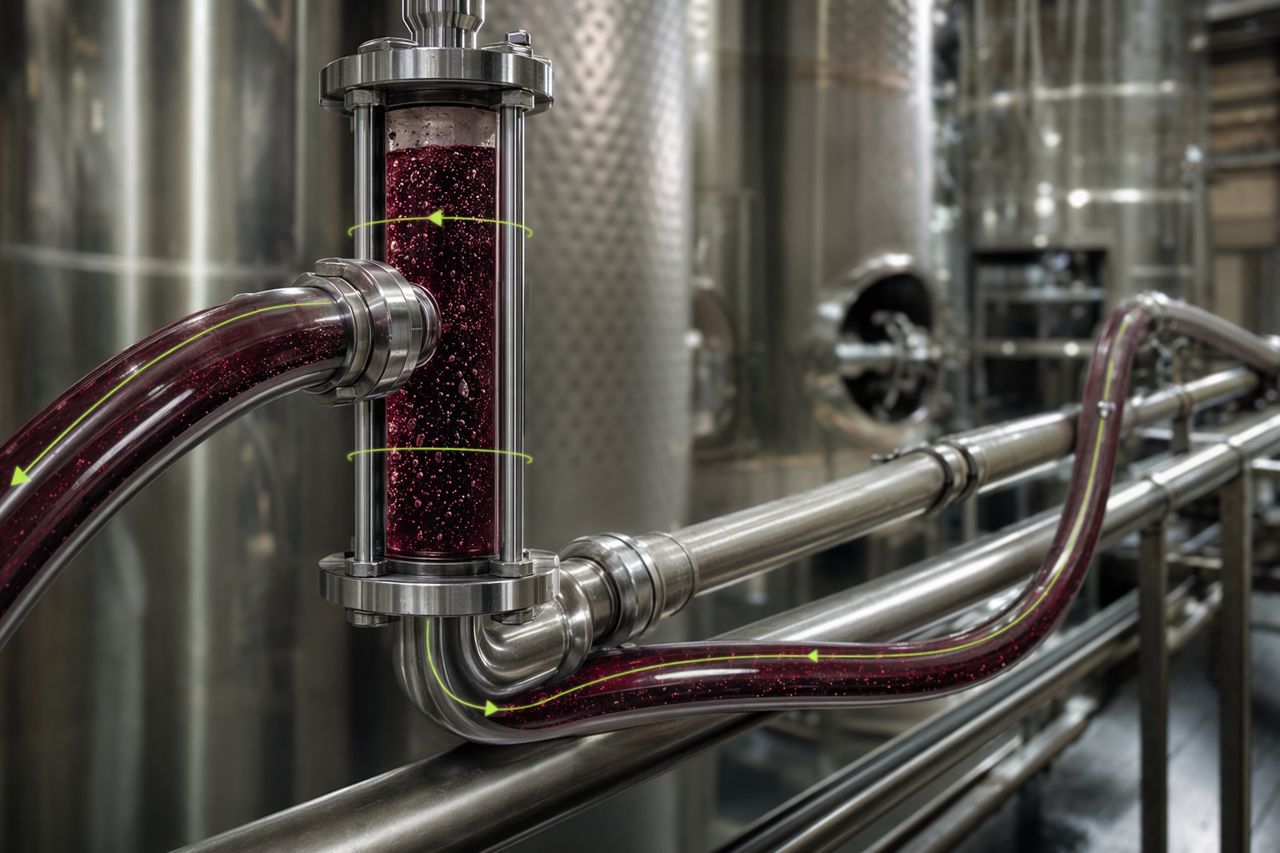
Some lots move cleanly from press to clarification to filtration. Others do not. Botrytis pressure, compromised fruit, extended maceration, and certain lees histories can leave beta-glucans and colloidal load in the wine matrix, raising viscosity and holding haze-active material in suspension.
For an industrial winery, that is not just a lab observation. It becomes a scheduling problem: slow settling, loaded depth media, crossflow pressure creep, membrane blinding, longer cellar holds, and bottling windows that become harder to protect.
Véraison Current supplies glucanase solutions for production teams that need a controlled, cellar-practical way to manage difficult filtration lots.
Primary application: glucanase as a processing aid for wines where beta-glucan burden is contributing to clarification resistance, filtration drag, or final membrane risk.
Built for industrial winery realities
Glucanase is not a universal fix for every slow filter. It is most valuable when the problem has a structural component: glucan-related viscosity, persistent fine suspension, or a wine history that points to Botrytis, rot pressure, or extraction choices that carried more colloidal material forward.
Véraison Current helps wineries evaluate glucanase in the context of the full process path:
- Fruit condition and lot history — especially Botrytis-affected fruit, late-season pressure, or compromised intake.
- Wine style and extraction target — red, white, rosé, base wine, or aromatic lots with sensory limits.
- Clarification plan — settling, flotation, centrifugation, fining, lees management, or tank turnover goals.
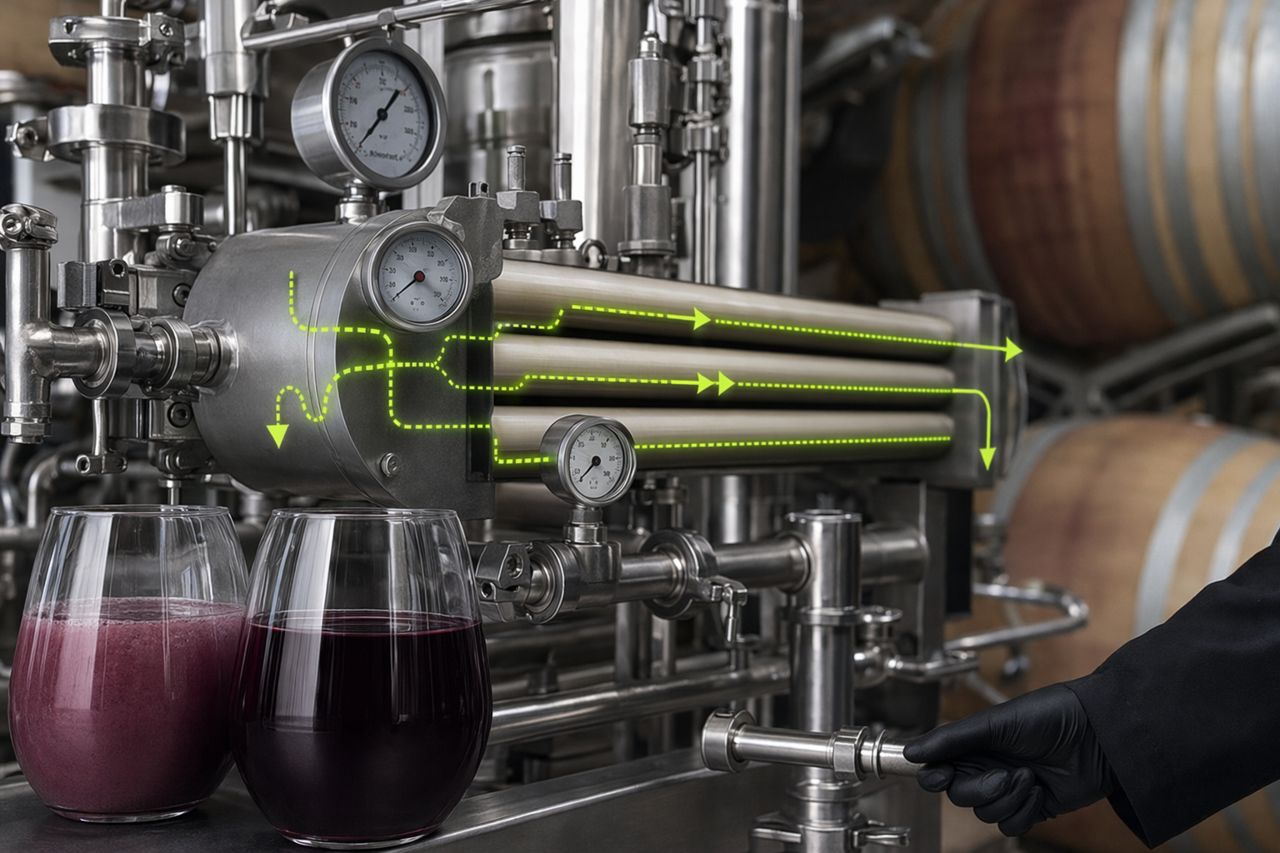
- Filtration equipment — depth media, lenticular, crossflow, cartridge, final membrane, and bottling line constraints.
- Harvest timing — when cellar capacity, tank availability, and labor windows are tight.
The objective is simple: reduce avoidable filtration friction without forcing the winemaking team into aggressive rescue steps.
What glucanase can help improve
For suitable lots, a well-planned glucanase program can support measurable production value:
Smoother clarification planning
By helping break down beta-glucan structures that contribute to suspension and viscosity, glucanase can make problematic lots more predictable before they reach the filter.
Lower filtration load
Difficult wines can consume media, slow crossflow performance, or push final membranes into early failure. Glucanase can help reduce the burden carried into those stages.
Better bottling schedule protection
A slow or unstable filtration run can disrupt line time, labor planning, and release commitments. Treating the risk earlier gives production managers more control.
Reduced sensory risk
When filtration problems appear late, the available fixes can become more disruptive. Glucanase gives the cellar another tool before heavy intervention is required.
More consistent QA conversation
Clear process rationale helps lab, QA, and production teams align on why a lot is being treated, what downstream behavior is expected, and how success will be reviewed.
Where glucanase fits in the cellar
Véraison Current positions glucanase as part of a controlled processing plan, not as an isolated additive decision.
Typical decision points include:
- After pressing or early clarification when the lot history suggests glucan risk.
- Before primary filtration when trials or prior lots indicate persistent drag.
- Before crossflow scheduling to reduce uncertainty and protect equipment time.
- Ahead of final membrane filtration when blinding risk could threaten bottling reliability.
- During difficult-lot triage when a tank is missing expected clarity or filterability progress.
The best timing depends on wine matrix, cellar temperature, contact window, equipment sequence, and sensory priorities.
Technical support without slowing the cellar
Commercial wineries need answers that are both technically sound and operationally usable. Our support focuses on the decisions your team has to make in real time.
We can help you define:
- Which lots are strong candidates for glucanase review.
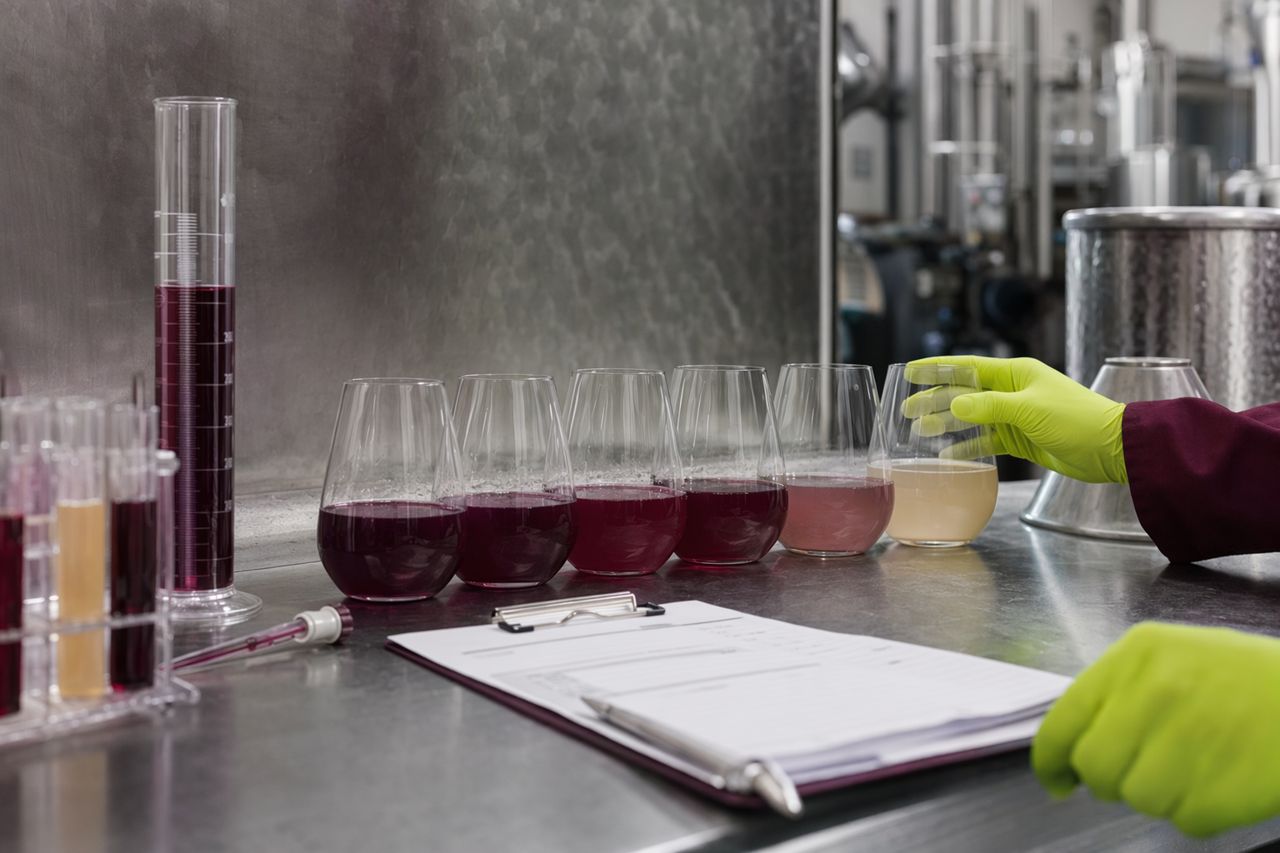
- How to evaluate treatment fit before committing production volume.
- How to coordinate enzyme use with fining, stabilization, and filtration steps.
- What process observations to track for filterability and clarification behavior.
- How to document the treatment plan for internal QA and production records.
No two cellars run the same way. The correct glucanase recommendation should reflect your wine style, tank movement, filtration assets, bottling pressure, and tolerance for sensory intervention.
For wineries managing difficult lots at scale
Véraison Current serves industrial winery teams that need dependable enzyme supply and practical process guidance. If your filtration plan is being shaped by beta-glucan risk, our role is to help you move from reactive troubleshooting to a controlled treatment strategy.
Use this page if you are sourcing an enzyme supplier for wine production with a specific focus on glucanase for difficult filtration conditions.
Common buyer scenarios
- Botrytis-affected lots are slowing clarification.
- Crossflow runs are losing throughput faster than expected.
- Depth media consumption is increasing on specific tanks.
- Final membranes are blinding before planned volume is complete.
- Bottling dates are at risk because one or two lots are not behaving.
- The lab needs a process aid recommendation that production can actually execute.
Request a quote
Tell us the wine type, lot condition, current clarification stage, filtration equipment, and target bottling or transfer window. Véraison Current will respond with a glucanase supply recommendation and practical next steps for your cellar team.